Concrete Water Damage Risks for Patios & Driveways
Share this Article:
Concrete is known for its strength and durability, but water can slowly damage the surface over time. Moisture problems may start small, then grow into larger issues like cracking, sinking, staining, or surface deterioration. Driveways and patios are especially vulnerable because they deal with rain, snow, drainage runoff, and repeated freeze-thaw cycles throughout the year.
Recognizing the early signs of concrete water damage can help homeowners address problems before repairs become more expensive. Proper drainage, quality installation, and routine sealing all play an important part in protecting concrete surfaces long-term.
How Water Damages Concrete Surfaces
Water can slowly wear down concrete surfaces when moisture repeatedly enters small pores and cracks. Over time, this weakens the concrete and may lead to discoloration, surface flaking, cracking, or uneven settling.
Poor drainage is one of the biggest causes of concrete water damage. When water collects around a driveway or patio, the soil underneath can shift or erode, creating unstable support for the slab. Freezing temperatures can make the problem worse when trapped moisture expands inside the concrete during freeze-thaw cycles.
Driveways, patios, sidewalks, and garage floors are all exposed to regular moisture throughout the year. Without proper installation and maintenance, water damage can gradually shorten the lifespan of concrete surfaces.
Early Signs of Concrete Water Damage
Concrete water damage usually starts with small warning signs that become more noticeable over time. Discoloration, pooling water, cracking, and uneven concrete are some of the most common issues property owners may see around driveways and patios.
Catching these problems early can help prevent larger
repairs and long-term damage to the concrete surface.
Surface Discoloration and Staining
Discoloration is often one of the first visible signs of concrete water damage. Dark spots, white residue, rust-colored stains, or areas that stay damp longer than the surrounding concrete may point to moisture problems below the surface.
Water carrying dirt, minerals, salt, or chemicals can gradually stain concrete and weaken the surface over time. When discoloration continues spreading or returns after cleaning, it may signal drainage issues that need attention.
Pooling Water Around Concrete
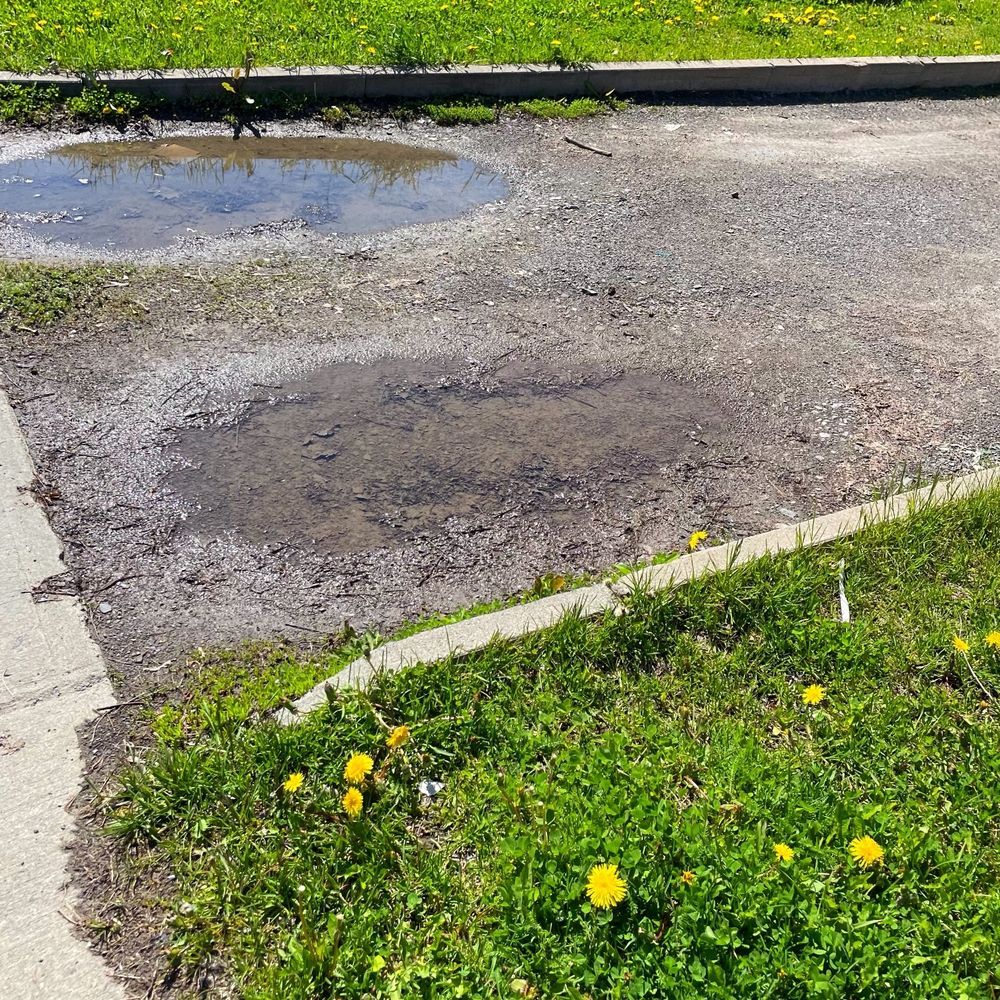
Pooling water around a driveway or patio usually points to drainage problems or uneven concrete surfaces. When water sits too long in one area, it can slowly wear down the concrete and weaken the soil underneath the slab.
Standing water may also increase the chances of cracking, surface erosion, and freeze-thaw damage during colder months. Areas that regularly collect water should be inspected before the problem spreads further.
Cracking and Surface Flaking
Cracking and surface flaking are common signs that water has started breaking down the concrete. Moisture entering small cracks can expand during freezing temperatures, causing the surface to chip, peel, or crumble over time.
Flaking concrete may start in small areas but can spread if water damage continues. Driveways and patios exposed to heavy traffic or
poor drainage are especially vulnerable to surface deterioration.
Uneven or Sinking Concrete Areas
Uneven or sinking concrete can develop when water weakens or washes away the soil underneath the slab. This movement may cause sections of a driveway or patio to shift, creating low spots or uneven edges.
Besides affecting appearance, uneven concrete can become a tripping hazard and allow more water to collect in damaged areas. When sinking concrete continues spreading, larger repairs may be needed to prevent further deterioration.
Why Driveways Face Higher Water Damage Risks
Driveways deal with constant exposure to rain, snow, vehicle traffic, and changing temperatures throughout the year. Heavy weight from cars, trucks, and equipment places additional stress on the concrete, especially in areas where water already collects.
Poor drainage around the driveway can speed up cracking, surface wear, and soil erosion underneath the slab. Over time, repeated moisture exposure may lead to larger structural problems if the damage is not addressed early.
How Patio Drainage Problems Start
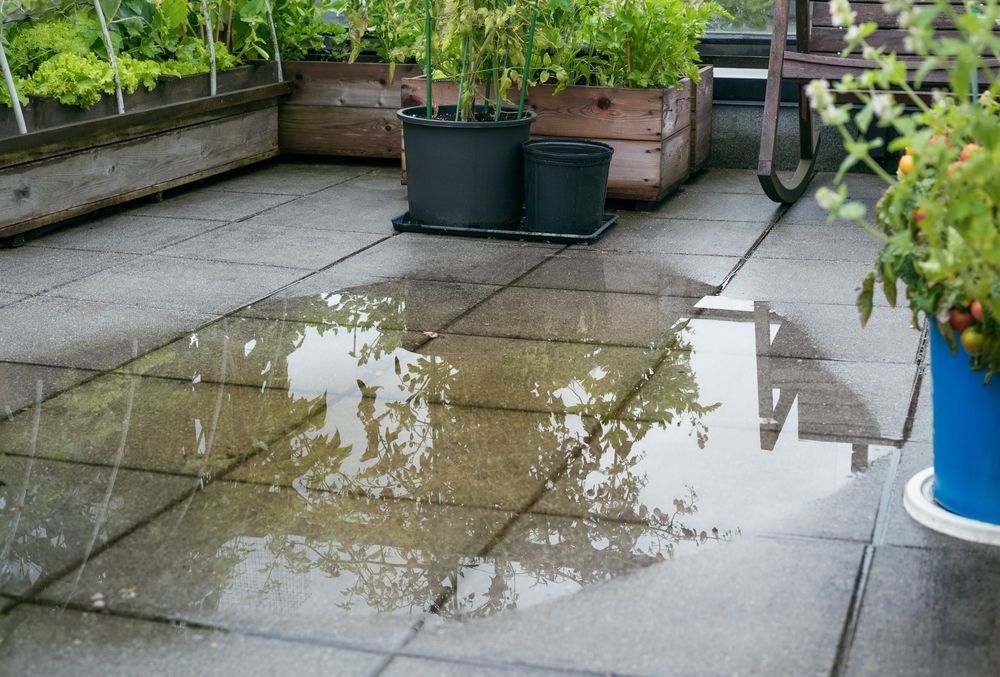
Patio drainage problems usually begin when water cannot properly flow away from the concrete surface. Poor grading, clogged drainage areas, or improper slope can cause water to collect around the patio after heavy rain.
Over time, standing water may weaken the soil underneath the concrete and increase the chances of cracking or uneven settling. Moisture buildup near the patio can also create slippery surfaces and speed up surface wear.
Freeze-Thaw Damage in Illinois Concrete
Freeze-thaw cycles can cause serious concrete water damage over time. When moisture enters small cracks or pores in the concrete, freezing temperatures cause the water to expand. This repeated pressure may lead to larger cracks, surface flaking, and weakened concrete.
Driveways, patios, and sidewalks exposed to frequent moisture are especially vulnerable during the winter months. Proper drainage and routine sealing help reduce the amount of water that can penetrate the surface.
How Proper Installation Prevents Water Damage
Proper concrete installation helps reduce the risk of long-term water damage. Stable base preparation, correct grading, and proper joint placement all help water drain away from the concrete instead of collecting around the slab.
Poor installation can lead to uneven settling, standing water, and early cracking. Taking the time to plan drainage and soil conditions during the installation process helps concrete surfaces last longer and hold up better over time.
Why Sealing Concrete Matters
Sealing concrete helps protect driveways, patios, and other flatwork from moisture penetration and surface wear. Water can slowly break down concrete over time, especially when freezing temperatures cause trapped moisture to expand inside small cracks.
Crossroads Concrete recommends sealing all concrete surfaces to help reduce damage from moisture, traffic, and seasonal conditions. Routine sealing can help extend the life of the concrete while keeping the surface looking cleaner and easier to maintain.
Request a Concrete Estimate Today
Water damage can slowly weaken concrete surfaces and lead to larger problems if left untreated. Catching early signs like pooling water, cracking, flaking, or uneven concrete can help property owners avoid more expensive repairs later on.
Crossroads Concrete provides professional concrete flatwork services for homeowners, builders, and commercial properties throughout Central Illinois. Our team takes the time to evaluate drainage concerns, concrete conditions, and long-term performance before recommending the best solution for your project.
Give us a call or request an estimate through our website today to get started.