Tips for Addressing Poor Concrete Patio Drainage
Share this Article:
A patio should be a place to relax, not a spot where water sits, puddles form, or cracks start to spread. Poor drainage doesn’t just make the space harder to enjoy. It can lead to long-term damage that’s expensive to undo.
If your
concrete patio
holds water after it rains or stays damp longer than it should, there’s a good chance drainage is the issue. The good news is that there are practical ways to fix it and prevent it from coming back.
Why Patio Drainage Matters
When water doesn't drain off your patio, it can lead to cracking, surface damage, and even problems near your foundation. Wet areas also stay slick, creating safety risks during rain or freezing weather.
Good drainage helps your concrete last longer, look better, and stay safe to use. Fixing the problem early keeps small issues from turning into costly repairs.
Signs of Concrete Patio Drainage Problems
Drainage issues often start small but can lead to bigger damage if ignored. Here are some common signs to watch for.
Standing Water and Pooling Near the Foundation
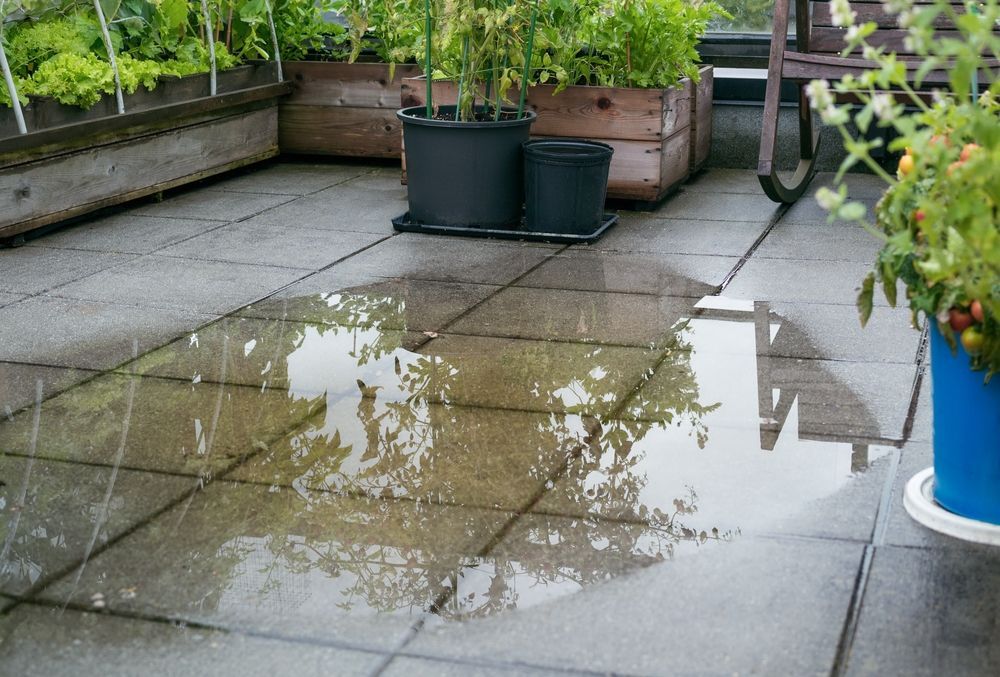
If water collects on the patio or sits along the edge of your home after it rains, that’s a sign the surface isn’t sloped correctly, or water has nowhere to go. Pooling near the foundation can lead to serious structural concerns over time.
Cracks or Erosion Near the Patio
Cracks in the surface or erosion along the edges often point to poor water management. When water seeps under the slab or wears away surrounding soil, it weakens the structure and shortens the patio’s lifespan.
Mold, Mildew, or Slippery Surfaces
Constant moisture creates a breeding ground for mold and mildew. Green or black stains, along with a slimy feel underfoot, are signs that the area stays damp too long. This can lead to slips and falls, especially in colder weather when freezing is more likely.
Common Causes of Poor Patio Drainage
Drainage problems usually come down to how the patio was built or what’s happened around it over time.
Installation Mistakes and Poor Water Management
If a patio isn’t sloped correctly during installation, water can sit in low spots instead of running off the surface. Even a small pitch error can cause long-term problems. In some cases, nearby downspouts or the surrounding grade may push extra water toward the patio.
Clogged or Missing Drainage Systems
Some patios are built with drains or channels to carry water away, but those systems can get blocked by dirt, leaves, or debris. If drainage wasn’t included at all, water often has nowhere to go. This leads to pooling during rain and runoff that affects nearby areas.
Low-Quality Materials or Workmanship
Patios built with thin slabs, weak concrete mixes, or poor finishing often show wear earlier than expected. Soft spots can trap water, crack under pressure, or break down unevenly, all of which make drainage problems worse over time.
Concrete Patio Drainage Solutions
Fixing drainage problems starts with identifying the source. Once the issue is clear, the solution depends on how the patio was built and where the water tends to collect. Here are a few reliable ways to correct concrete patio drainage problems.
Grading and Slope Adjustments
A
concrete patio should have a slight slope that moves water away from the home. When the slope is too flat or angles the wrong direction, water begins to sit. Regrading the area or replacing uneven sections helps guide runoff where it belongs and keeps the surface dry.
Installing Drains and Redirecting Runoff
Drains can collect and carry water away from the patio. Depending on the setup, options include trench drains, French drains, or custom-cut channels. Connecting new drains to existing water systems improves flow and reduces the chance of pooling near the slab.
Using Quality Concrete and Finishes
Strong, properly finished concrete resists water and holds up better over time. The right mix, combined with clean edges and proper curing, creates a surface that sheds water more easily. Sealing the concrete adds extra protection from moisture and winter salt, especially on patios exposed to the elements.
How Crossroads Concrete Solves Drainage Issues
Crossroads Concrete plans for drainage from the start. Our team checks slope, grading, and how water flows across and around the patio. Proper pitching helps move water away from the home, and drains can be added if needed to prevent pooling.
Each project is discussed in detail with the homeowner to create a clear plan. Quality materials, skilled finishing, and proper sealing all help protect the concrete from moisture and long-term damage.
Maintaining Your Patio for Better Drainage
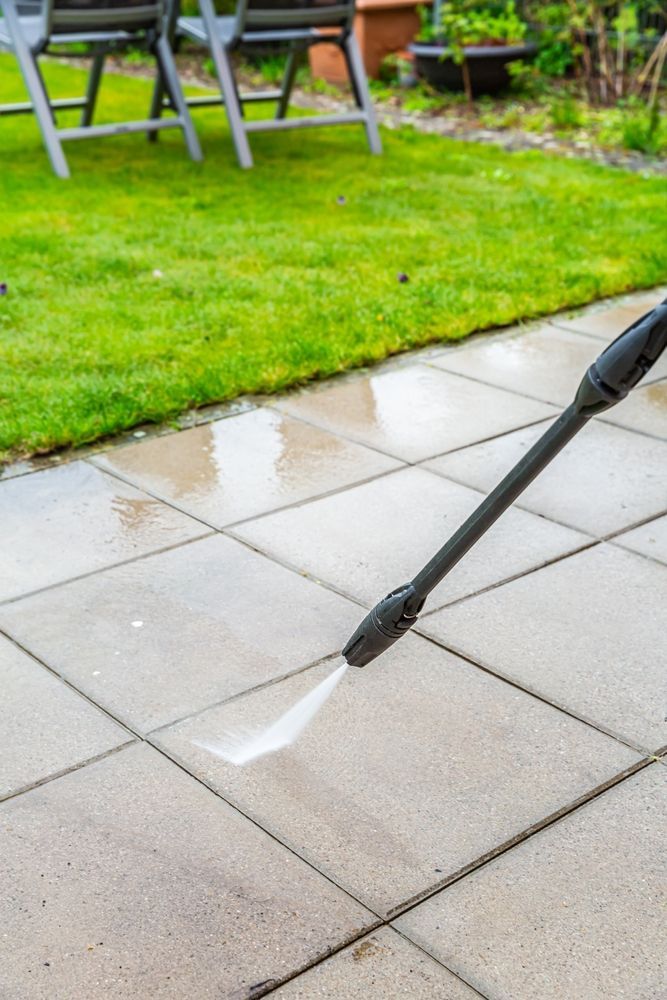
Even a well-built patio needs some upkeep to keep drainage working like it should. Over time, dirt, leaves, and debris can collect around the edges or in any drains. Clearing those areas helps water keep flowing where it should.
Sealing the concrete protects the surface from moisture and salt. That’s especially important in Illinois, where winter road salt can break down unsealed concrete faster. Resealing every few years helps maintain both the look and function of the patio.
It’s also a good idea to keep an eye on any nearby downspouts or grading changes around your yard. If water starts flowing toward the patio, small adjustments can help avoid bigger issues later.
Ready to Fix Your Patio Drainage? Let’s Get Started
If your patio holds water, grows slick after rain, or shows signs of cracking, it’s time to take care of the drainage before the damage spreads.
You don’t need to guess at the solution. Crossroads Concrete has helped homeowners across Central Illinois fix poor drainage and build patios that last. We’ll take the time to walk through the problem, talk through your options, and create a plan that works for your space.
Give us a call or request an estimate through our website today. Let’s get your patio back to working the way it should.