Different Types of Cracks in Concrete Floors Explained
Share this Article:
Concrete floors are built for strength and long-term use, but cracks can still happen over time. Some cracks are minor and cosmetic, while others point to deeper structural concerns that need attention right away. Knowing the difference helps homeowners and property owners make smart decisions before small problems turn into expensive repairs.
In Central Illinois, changing temperatures, soil movement, moisture, and heavy use all play a role in concrete cracking. Understanding the different types of cracks in concrete floors can help you spot warning signs early and protect your investment.
Why Concrete Floors Crack Over Time
Concrete floors can crack for several reasons, especially after years of exposure to changing weather and daily use. In Central Illinois, freeze-thaw cycles place constant stress on concrete as temperatures shift throughout the year. This movement can cause small cracks to appear and expand over time.
Moisture also affects concrete floors. Water collecting around a slab may weaken the soil underneath, leading to uneven settling and larger cracks. Heavy vehicles, equipment, and repeated traffic can add pressure that increases wear on the surface. Some cracks even develop early if concrete dries too quickly during the curing process.
Some floor cracks stay small and cosmetic, while others continue spreading and create uneven surfaces or structural concerns. Paying attention to changes in width, depth, and movement can help property owners catch larger problems before they become more expensive to repair.
Common Types of Cracks in Concrete Floors
Concrete floors can develop several different types of cracks over time. Some are minor surface issues, while others may point to movement beneath the slab or structural stress. Common types of cracks in concrete include hairline cracks, settlement cracks, expansion cracks caused by temperature changes, and larger structural cracks.
The size, shape, and direction of a crack often provide clues about what caused it and how serious the issue may be.
Hairline Cracks in Concrete Floors
Hairline cracks are one of the most common cracks in concrete floor surfaces. These thin cracks usually develop during the curing process when concrete dries and shrinks. In many cases, they are cosmetic and do not affect the strength of the slab.
Small hairline cracks may appear in garages, patios, shed floors, and other concrete flatwork over time. While they are usually not a major concern, cracks that begin spreading, widening, or collecting moisture should still be monitored closely.
Settlement Cracks and Uneven Floors
Settlement cracks happen when the soil underneath a concrete slab shifts or sinks unevenly. These cracks are usually larger than hairline cracks and may create uneven surfaces or noticeable gaps in the concrete.
Poor drainage, soil erosion, and changing moisture levels are common causes of settlement cracks. If sections of concrete begin sinking or separating, the problem may continue getting worse over time and should be inspected by a
concrete professional.
Expansion and Temperature Cracks
Expansion cracks develop when concrete expands and contracts during temperature changes. Repeated freezing and thawing can place stress on concrete slabs and lead to cracking over time.
These cracks may appear in long straight lines or near joints where movement happens naturally. Proper spacing, joint placement, and installation methods help reduce the chances of expansion cracks becoming larger over time.
Structural Cracks That Need Fast Attention
Structural cracks are usually wider, deeper, or uneven compared to smaller surface cracks. They may form from excessive weight, major soil movement, or problems affecting the stability of the slab.
Warning signs include cracks that continue growing, sections of concrete shifting at different heights, or gaps large enough to collect water and debris. When damage starts affecting the strength or levelness of the concrete, professional inspection is recommended before the problem spreads further.
What Concrete Crack Patterns Mean
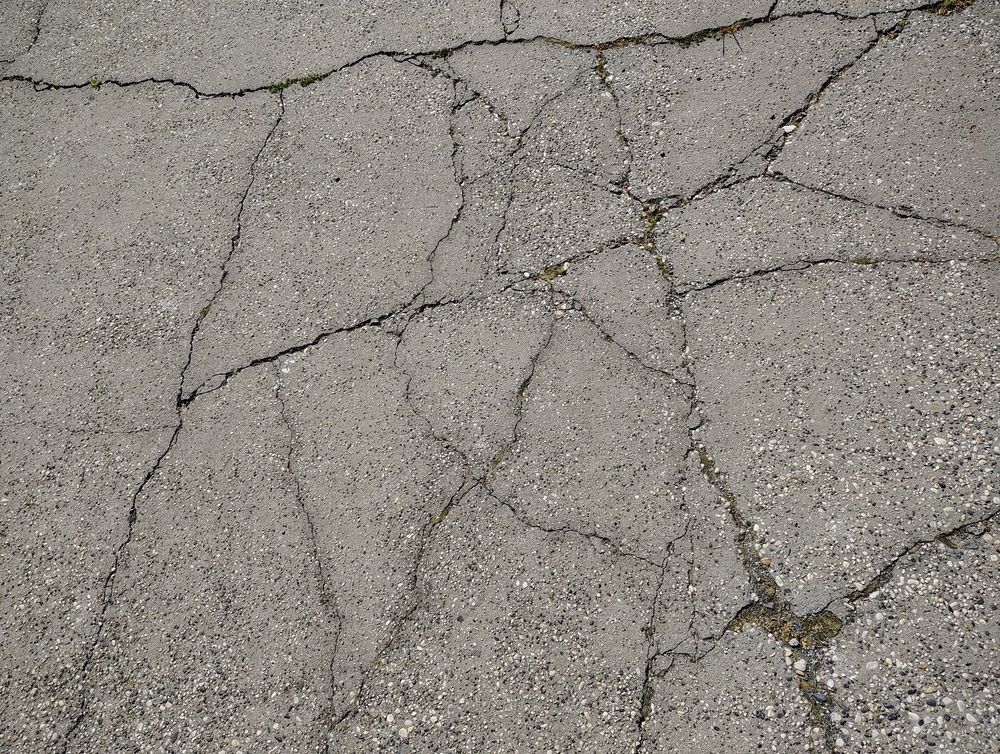
The pattern of a crack can reveal a lot about what caused the damage. Straight cracks near joints are usually linked to normal expansion and contraction. Random cracks spreading across the surface may point to shrinkage during curing or uneven stress on the slab.
Diagonal or stair-step style cracks can signal movement underneath the concrete, especially if sections start shifting at different heights. Cracks that form in multiple directions or continue widening over time may indicate larger structural concerns.
Watching crack patterns over time helps property owners spot changes early before repairs become more expensive.
How to Prevent Concrete Floor Cracks
While some cracking is natural over time, proper installation and maintenance can help reduce serious damage. Good site preparation and stable soil conditions play a major role in preventing settlement and uneven cracking.
Controlling water around the concrete is also important. Proper drainage helps prevent moisture from weakening the soil underneath the slab. Expansion joints placed in the right areas allow concrete to move during temperature changes without creating larger cracks.
Routine maintenance can help extend the life of concrete floors and flatwork. Crossroads Concrete recommends sealing concrete surfaces to help protect against moisture, road salt, and seasonal wear that can gradually break down the surface over time.
Request a Concrete Floor Estimate Today
Cracks in concrete floor surfaces can range from small cosmetic issues to signs of larger structural problems. Understanding the cause of the crack can help property owners decide when repairs or replacement may be needed.
Crossroads Concrete provides professional concrete flatwork services for
homeowners, builders, and commercial properties throughout Central Illinois. Our team takes the time to listen to your goals, inspect the condition of the concrete, and recommend practical solutions that fit your project.
Give us a call or request an estimate through our website today to get started.