The Importance of Sealing Stamped Concrete
Share this Article:
Stamped concrete brings texture, color, and depth to patios, walkways, and driveways. It looks solid and finished on day one, leading many to believe it needs little else. But exposure to sun, moisture, salt, and foot traffic wears away that surface faster than expected. Applying a sealer helps protect both the appearance and function, especially in a climate like Central Illinois, where seasonal shifts can be hard on unprotected surfaces.
Why Sealing Stamped Concrete Matters
Stamped concrete is made to stand out, but without a protective layer, the color and detail can begin to fade. The surface is textured and often colored using hardeners or stains, which are more vulnerable to wear than plain concrete. Wind, water, UV rays, and deicing salt slowly break down that finish, especially on driveways and high-traffic areas.
A quality sealant locks in color, shields the surface, and keeps moisture out. It adds a subtle sheen or a matte finish, depending on the product used, and gives the surface more depth and contrast. For homeowners who’ve invested in
decorative concrete, sealing is a simple but important step that helps preserve both the beauty and strength of the work.
What Happens If Stamped Concrete Isn’t Sealed
Without sealing, stamped concrete is more likely to show signs of wear early. Sun exposure fades the color, moisture seeps into the surface, and freeze-thaw cycles can lead to cracking over time. In areas like driveways or patios, frequent use speeds up that process. Decorative details that once stood out begin to dull, and surface texture may erode, making the area harder to clean and less visually appealing.
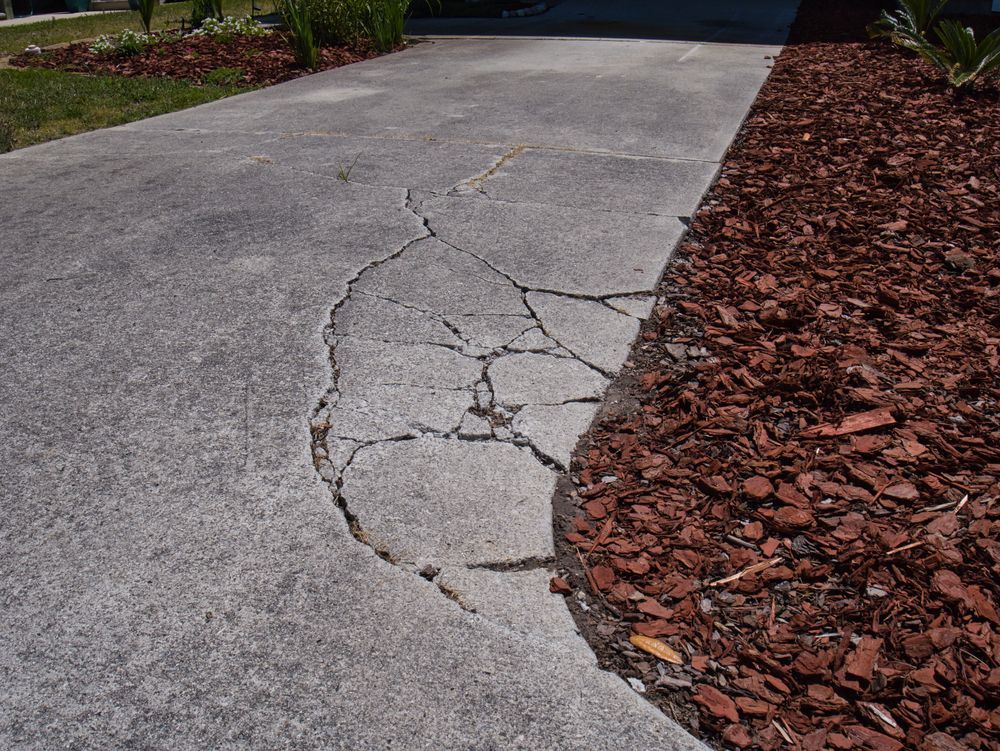
Over time, unsealed stamped concrete may also become more porous, which increases the chance of stains from leaves, dirt, or oil. While stamped concrete is durable, it isn’t maintenance-free. Sealing adds a layer of protection that keeps the material resilient through weather and regular use.
The Lasting Benefits of Sealed Stamped Concrete
Sealing stamped concrete helps protect the surface while preserving the look, texture, and condition of the space as it ages. A well-sealed surface holds up better under both everyday use and harsh seasonal conditions.
Key long-term benefits include:
Color retention: Sealing helps prevent fading from sunlight and weather exposure.
Moisture protection: Reduces the chance of cracking or surface damage from freeze-thaw cycles.
Stain resistance: Easier to clean and less likely to absorb oil, dirt, or organic materials.
Enhanced texture and detail: Brings out stamped patterns and depth that might otherwise fade.
When sealed properly, stamped concrete stays strong, looks better longer, and requires less upkeep year after year.
How Often Should Stamped Concrete Be Sealed?
Timing matters when it comes to sealing concrete. While it doesn’t need attention every season, waiting too long increases the risk of surface damage. Most stamped concrete surfaces benefit from resealing every 2 to 3 years, depending on how they’re used and the weather they’re exposed to.
Factors that influence resealing frequency include:
- Exposure to sunlight
- Foot or vehicle traffic
- Use of deicing salts
- Previous sealer type and quality
Areas like driveways or pool decks may need attention sooner, while shaded patios might go longer between applications. Watching for signs like fading color, a dull finish, or water absorbing quickly into the surface can help determine when it’s time.
Professional Sealing That Protects and Enhances Color
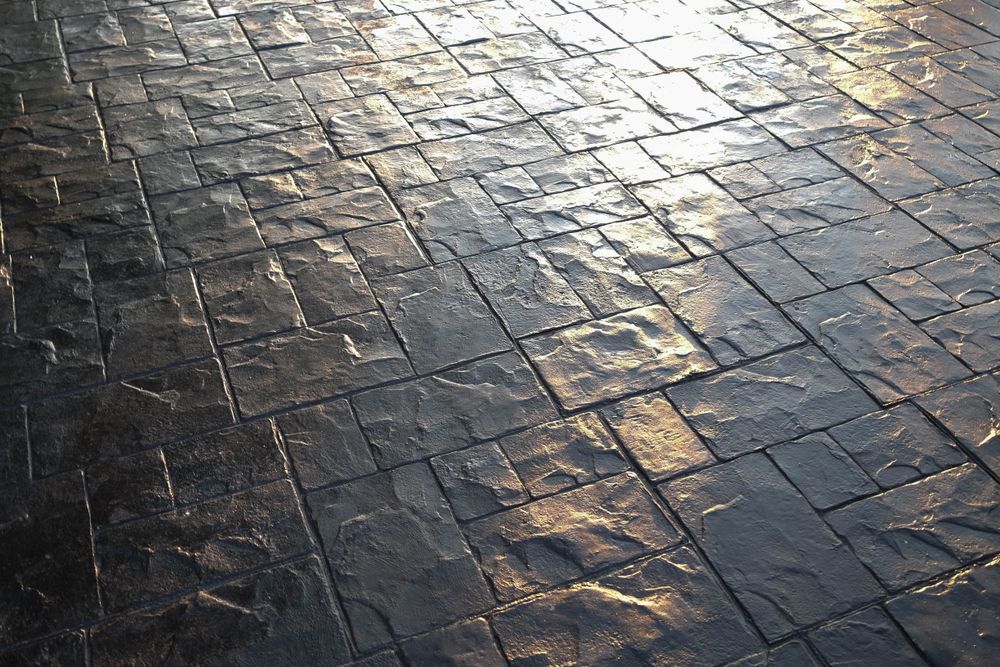
Sealing stamped concrete protects the surface while also helping maintain the depth and richness of its color over time. A professional-grade sealer can bring out the contrast in stamped patterns and highlight subtle color variations that might otherwise fade. The difference between a freshly sealed surface and one left untreated is easy to spot.
Professionals apply sealers evenly, at the right thickness, and in conditions that support a proper cure. This helps prevent issues like bubbling, flaking, or uneven sheen. For homeowners who have invested in stamped patios, driveways, or walkways, sealing is the final step that completes the
concrete work and helps it stay visually consistent and structurally sound through the seasons.
Common Issues Solved by Proper Sealing
Stamped concrete holds up well, but over time, unsealed surfaces can start to show wear that affects both appearance and durability. A proper sealing routine helps prevent many of the most common problems that develop from weather, use, and exposure.
Sealing helps reduce or prevent:
- Color fading from the sun, rain, and snow
- Surface erosion caused by water, ice, and friction
- Staining from leaves, oil, salt, and organic material
- Moisture intrusion that leads to cracking or flaking
- Loss of texture or pattern detail
When done correctly, sealing protects stamped concrete from long-term surface damage while also reducing maintenance needs.
Recommended Timing for Sealing Stamped Concrete
The best time to seal stamped concrete is after it has fully cured, which typically takes about 28 days following installation. Sealing too early can trap moisture beneath the surface, while waiting too long leaves it unprotected during a vulnerable period.
For resealing, dry weather and moderate temperatures are ideal. Spring and early fall tend to offer the most reliable conditions in Central Illinois. Avoid sealing during high humidity, rain, or direct heat, as these factors can impact how the sealer bonds and dries.
Planning around seasonal changes helps the sealer last longer and perform better. When done at the right time, sealing adds lasting value without the need for constant touch-ups.
Protect Your Investment with Crossroads Concrete
Stamped concrete is a long-term investment, and sealing plays a key role in how well it holds up over time. At Crossroads Concrete, we treat each surface with care and precision, using the right products and timing to get the most out of your concrete. Driveways, patios, and walkways face different challenges, but all benefit from well-timed sealing as part of long-lasting concrete work.
If you're starting a new project or think it's time to reseal an existing one, we’re here to help.
Reach out through our website or call to schedule an estimate. We’ll take the time to evaluate your surface and recommend a sealing plan that fits both your concrete and the conditions it faces.