Does Winter Salt Damage Concrete? Protecting Your Driveway
Share this Article:
Winter in Central Illinois means snow, ice, and regular use of de-icing products on driveways. Over time, many homeowners start to notice surface wear, small cracks, or flaking and begin to question what is causing the damage.
Concrete holds up well in tough conditions, but freezing temperatures, moisture, and salt can take a toll over the years. Understanding how these elements affect your driveway helps you make better decisions and keep your concrete in good shape longer.
Does Salt Damage Concrete?
Yes, salt can damage concrete, especially in climates like Central Illinois, where freezing and thawing happen often. The problem is not just the salt itself. It is how salt interacts with water and temperature changes on your driveway.
Salt lowers the freezing point of water, which helps melt ice but keeps moisture active on the surface longer. That moisture can soak into the concrete, then freeze and expand when temperatures drop. Over time, this repeated cycle creates stress that leads to surface damage.
Many homeowners begin to notice flaking, pitting, or small cracks forming. In most cases, the damage builds gradually over several winters, especially if the concrete is not sealed or maintained.
How Winter Salt Breaks Down Driveways
Salt speeds up wear on concrete in a few different ways, and much of the damage starts below the surface before it becomes visible.
- Freeze-thaw pressure
After ice melts, water sits on the driveway and works its way into small pores. When temperatures drop again, that trapped moisture freezes and expands, creating internal pressure that weakens the surface over time.
- Repeated temperature changes
Salt keeps water from fully freezing, which leads to melting during the day and refreezing at night. That constant shift adds stress and speeds up deterioration.
- Surface scaling
The top layer of concrete begins to flake or peel after exposure to de-icing products. This tends to show up sooner if the concrete was not sealed or was exposed to salt early in its life.
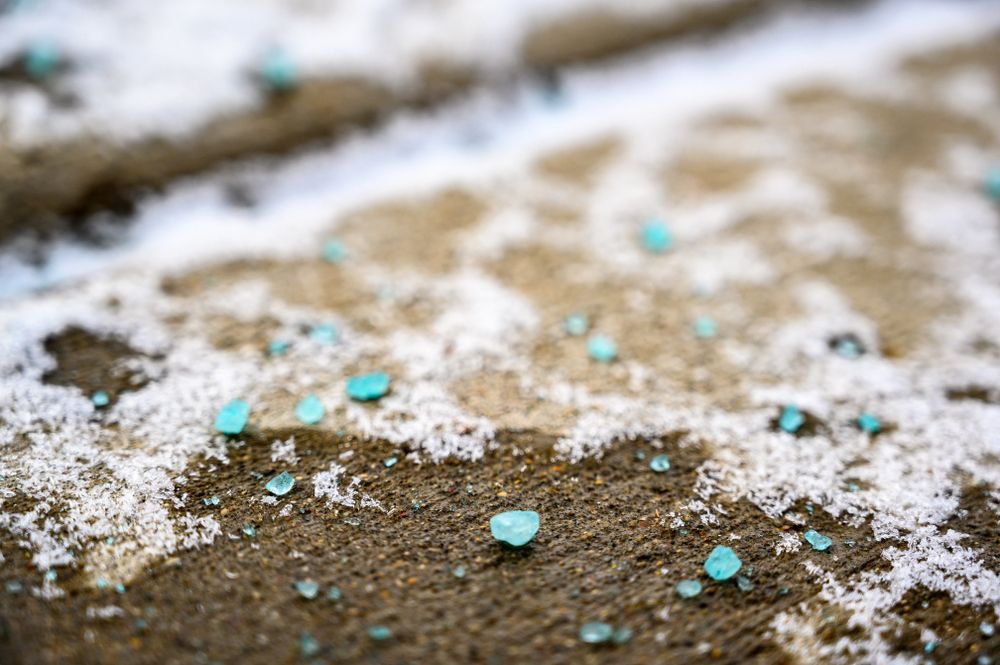
Signs Your Concrete Has Salt Damage
Salt damage does not always show up right away. Early changes can be subtle, then become more noticeable over time.
Common warning signs include:
- Flaking or peeling: Thin layers of concrete begin coming loose from the surface.
- Pitting:
Small holes or shallow divots form and can spread over time.
- Hairline cracks:
Fine cracks appear after colder months and allow moisture to get in.
- Discoloration:
Uneven coloring or faded patches point to surface wear.
- Rough texture in high-use areas:
Heavier traffic areas may feel more worn and uneven.
When Salt Damage Becomes a Bigger Issue
Small surface problems can turn into larger concerns if they are ignored. What starts as light flaking or minor pitting can open the door for more serious damage over time.
As cracks grow, more water is able to get below the surface. Once that happens, freezing temperatures can cause sections of the concrete to shift or break apart. This can lead to larger cracks, uneven areas, or sections that begin to deteriorate faster than the rest of the driveway.
Drainage can also become a problem. Damaged areas may start to hold water instead of shedding it, which adds even more stress during freeze-thaw cycles. Over time, this can speed up the breakdown of the surrounding concrete.
In more advanced cases, sections of the driveway may need to be removed and
replaced to restore a smooth, stable surface.
How to Protect Concrete From Winter Salt
Winter conditions in Illinois are tough on concrete, but a few practical steps can help reduce long-term damage.
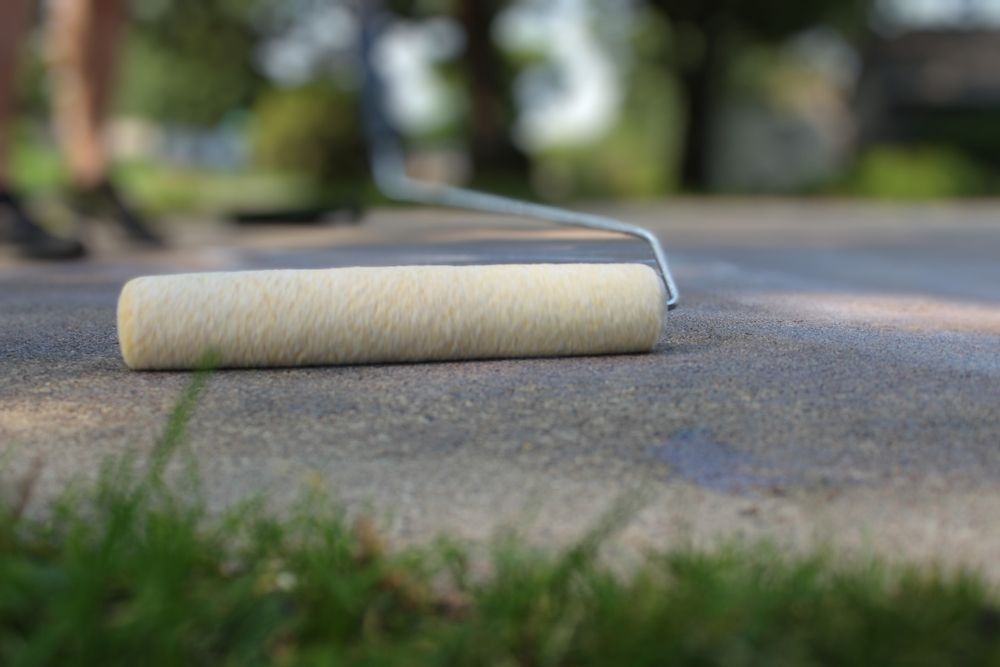
Sealing your driveway makes a big difference. A quality sealer creates a barrier that limits how much moisture and salt can soak into the surface. Regular sealing is one of the best ways to extend the life of your concrete.
Early snow removal helps cut down on exposure. Clearing snow before it builds up
reduces the amount of moisture sitting on the surface and limits how much salt is needed.
Extra care during the first winter after installation can also help. Fresh concrete needs time to fully cure, and heavy salt use too soon can increase the chance of early surface damage.
A combination of sealing and consistent upkeep will help your driveway hold up through harsh winter conditions.
Get a Driveway Built for Illinois Winters
Winter conditions in Central Illinois can be tough on concrete, especially when salt, moisture, and freezing temperatures are all working against your driveway. The right materials, proper installation, and a well-planned layout all play a big role in how well your concrete holds up over time.
At
Crossroads Concrete, every project starts with a conversation. Our team takes the time to understand what you want, look at drainage, and plan a
driveway that fits your space and handles real Midwest conditions.
If your current driveway is starting to show signs of wear or you are planning a new project,
we are here to help.
Give us a call or request an estimate through our website today to get started.