Concrete Parking Lot Resurfacing: A Cost-Benefit Guide
Share this Article:
Commercial parking lots experience constant wear from vehicle traffic, weather exposure, and daily use. Over time, surface deterioration can affect safety, drainage, curb appeal, and maintenance costs. When signs of wear begin to appear, property owners are often faced with an important decision: repair the damage, resurface the lot, or invest in a full replacement.
The right choice depends on the condition of the concrete, the extent of underlying issues, and the long-term goals for the property. Evaluating both the immediate costs and the long-term value of each option can help business owners and property managers make a more informed investment decision.
When Surface Wear Becomes a Business Liability
Surface wear is not always a cosmetic concern. Cracks, spalling, and uneven concrete can create safety hazards for customers, employees, tenants, and visitors, increasing the risk of trips, falls, and potential liability claims.
Damaged concrete can also affect drainage, leading to standing water that accelerates deterioration and creates additional maintenance issues. Addressing these problems early can help property owners maintain a safer property and avoid more costly repairs down the road.
Repair, Resurface, or Replace the Lot?
The best solution depends on the condition of the existing concrete and the underlying causes of the damage.
Repairs may be appropriate when issues are isolated to a few cracks or damaged sections. Addressing these problems early can help prevent further deterioration and extend the life of the parking lot.
Resurfacing is sometimes considered when the concrete remains structurally sound, but the surface shows signs of wear. However, resurfacing does not correct significant structural problems, widespread cracking, or drainage issues beneath the slab.
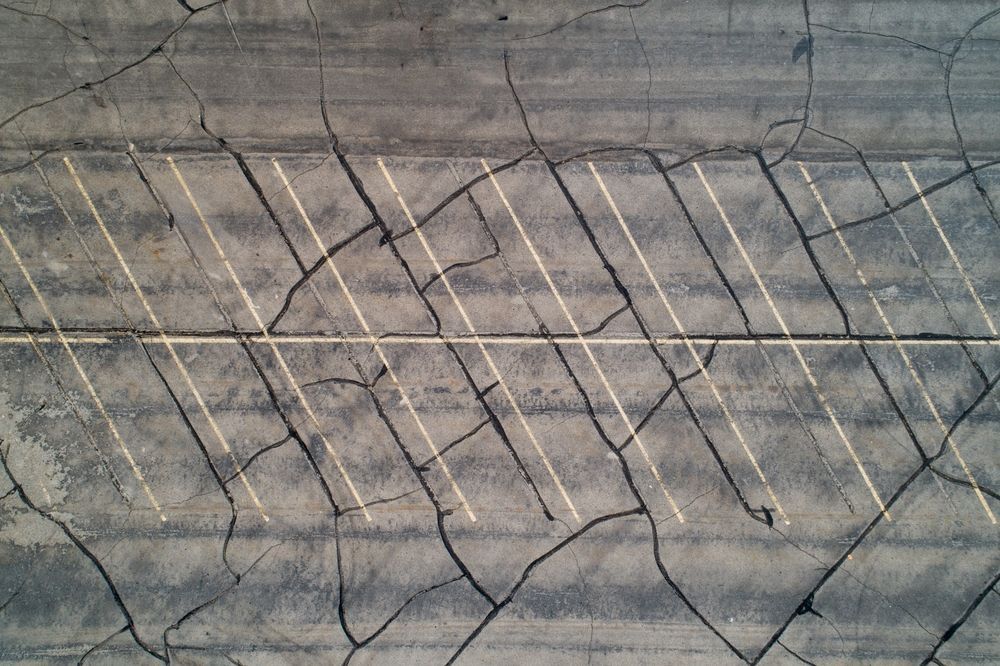
When concrete has extensive damage, ongoing drainage problems, or has reached the end of its service life, replacement is often the most cost-effective long-term solution. While replacement requires a larger upfront investment, it provides an opportunity to address underlying issues and restore the parking lot's performance for years to come.
Cost Factors That Shape Project Value
Several factors influence the overall value of a parking lot improvement project. Understanding these variables can help property owners compare short-term costs with long-term performance.
Parking Lot Size and Concrete Condition
The size of the parking lot is one of the biggest cost considerations, but condition is equally important. A larger lot with minimal damage may require less work than a smaller lot with widespread cracking, settlement, or surface deterioration.
The extent of existing damage will help determine whether repairs, resurfacing, or replacement makes the most sense.
Drainage Corrections and Site Preparation
Drainage problems can significantly impact project costs and long-term results. Standing water may indicate grading issues, inadequate drainage, or underlying concrete damage that should be addressed before any surface improvements are made.
Site preparation requirements, including demolition, excavation, and grading adjustments, can also affect the scope of the project.
Traffic Loads and Expected Service Life
Parking lots that accommodate heavy vehicles, delivery trucks, or frequent traffic are subject to greater wear than lots with lighter use. Traffic demands should be considered when evaluating improvement options and expected longevity.
Investing in a solution that matches the property's traffic patterns can help reduce future maintenance needs and improve long-term value.
Hidden Costs That Affect Long-Term Value
Project costs extend beyond the initial work. Safety concerns, ongoing maintenance, and property appearance can all affect the long-term value of a parking lot investment.
Liability Risks From Damaged Concrete
Cracked, uneven, or deteriorating concrete can create hazards for pedestrians and vehicles, increasing the risk of injuries, vehicle damage, and potential liability claims.
Frequent Repairs and Maintenance Expenses
Recurring repairs can become costly over time. While patching and minor fixes may address immediate issues, they may not solve the underlying cause of the damage. In some cases, a more comprehensive solution provides better long-term value.
Customer and Tenant Impressions
The condition of a parking lot influences how people view a property. Visible deterioration, standing water, and damaged concrete can create a negative first impression, while a well-maintained lot helps support a professional appearance.
Drainage Performance Drives Long-Term Results
Drainage plays a major role in the longevity of a concrete parking lot. When water is allowed to collect on the surface, it can accelerate deterioration, contribute to cracking, and create safety concerns for both pedestrians and vehicles.
Standing water may indicate grading issues, drainage deficiencies, or underlying concrete problems that should be addressed as part of any improvement project. Simply treating surface damage without correcting drainage concerns can lead to recurring issues and additional expenses down the road.
A well-designed parking lot directs water away from the concrete, helping protect the surface and support long-term performance.
Resurfacing Limits Business Owners Should Know
Resurfacing can improve the appearance of worn concrete, but it is not the right solution for every parking lot. Surface treatments generally address cosmetic wear rather than underlying structural issues.
If a parking lot has significant cracking, settlement, drainage problems, or widespread deterioration, resurfacing may only provide a temporary improvement. Existing issues can eventually reappear and affect the performance of the new surface.
Before investing in a parking lot improvement project, it's important to evaluate the condition of the concrete and identify the root cause of the damage. A thorough assessment can help determine if repairs, resurfacing, or full replacement will provide the greatest long-term value.
How Concrete Parking Lots Deliver Long-Term ROI
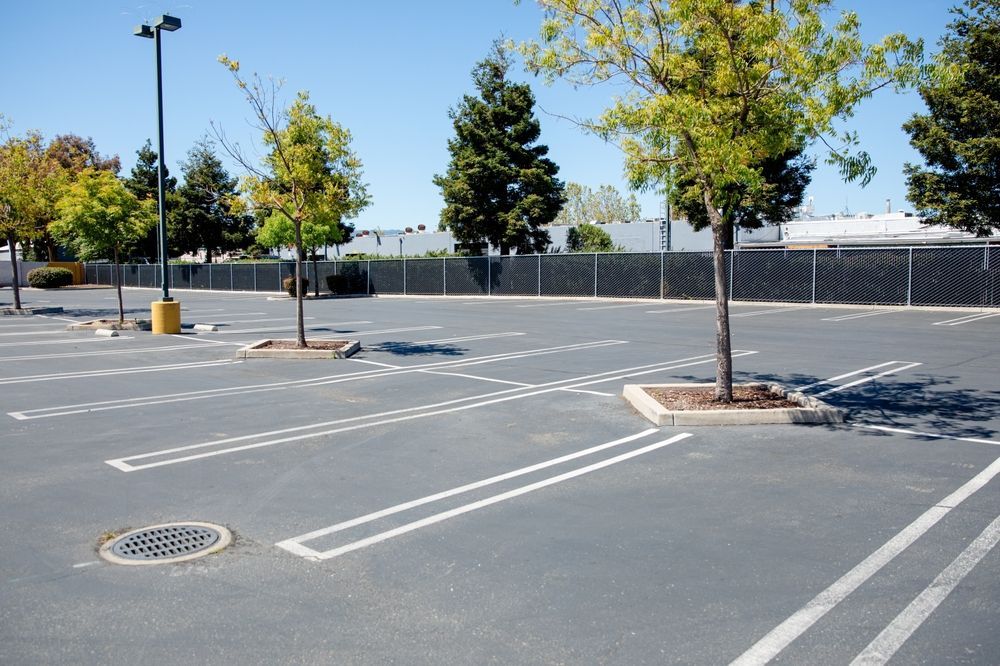
A well-constructed concrete parking lot can provide value for decades when it is properly designed, installed, and maintained. While the upfront investment may be higher than some alternatives, concrete's durability and longevity can help reduce maintenance and repair costs over time.
Concrete also performs well under heavy traffic loads and can contribute to improved drainage when the site is properly graded. Fewer repairs, reduced downtime, and a longer service life can all support a stronger return on investment.
Request an Estimate for Your Parking Lot Project
Every parking lot is different, and the right solution depends on the condition of the concrete, drainage performance, traffic demands, and long-term goals for the property. Taking the time to evaluate these factors can help ensure your investment delivers lasting value.
At
Crossroads Concrete, we work with property owners, business owners, and project managers throughout Central Illinois to plan and complete quality
concrete projects. Our team takes the time to understand your needs, assess site conditions, and recommend
practical solutions that align with your budget and objectives.
Give us a call or request an estimate through our website today to discuss your parking lot project.